 Comparison
Adult Rehabilitation Alternatives to London OT
Table of Contents
- Why Adults Seek Adult Rehabilitation Alternatives
- Understanding Integrated Rehabilitation Plans for Adults
- Comparison of Adult Rehabilitation Providers
- Benefits of Sports Therapy in Recovery
- How to Choose a Rehabilitation Provider
- Key Questions to Ask Before Committing
- Frequently Asked Questions
Last Updated: 27 September 2026
Why Adults Seek Adult Rehabilitation Alternatives
Adults recovering from stroke, surgery, or brain injury often need more than standard physiotherapy. They're looking for approaches that rebuild independence in meaningful ways, not just regaining movement, but reclaiming the ability to live life on their own terms. The challenge is finding providers who understand that rehabilitation isn't one-size-fits-all. Some people need intensive clinical oversight. Others thrive in community settings where therapy connects directly to their home environment and daily routines.
This is where adult rehabilitation alternatives become essential. Many adults discover that conventional hospital-based programmes don't address the full picture. They want therapists who consider sensory regulation, emotional confidence, and practical life skills alongside physical recovery. They want flexibility in how services are delivered, whether that's in-home support, outpatient clinics, or a blend of both. The research from NHS England guidance on integrated care emphasises that coordinated, person-centred rehabilitation improves outcomes significantly.
Life-OT works with adults transitioning from acute care into the real world of home, work, and community participation. The best adult rehabilitation alternatives combine clinical expertise with practical adaptability, recognising that independence isn't just physical; it's about confidence, problem-solving, and having realistic strategies that actually fit into daily life.
Understanding Integrated Rehabilitation Plans for Adults
An integrated rehabilitation plan brings together multiple disciplines to address the whole person, not just the injury or condition. Rather than seeing a physiotherapist one day and an occupational therapist another, adults benefit from coordinated support where each specialist informs the others' approach.
This model works because recovery isn't linear. A person recovering from stroke might need movement training, but that's only useful if they can actually use it in their kitchen, their bedroom, or their workplace. An integrated plan connects physical recovery to the environments where people actually live. It means the sports therapist understands what the occupational therapist is working on, and both are aligned with what matters most to the individual.
Many rehabilitation providers now recognise that nutrition, mental health, and sensory regulation play crucial roles in recovery too. An adult with anxiety after brain injury may struggle in therapy if that anxiety isn't being addressed. Someone with poor sleep may not have the energy to progress. An integrated approach acknowledges these connections and builds them into the plan from the start.
Life-OT's model combines occupational therapy, sports therapy, and nutrition support into a single coordinated strategy. Rather than juggling multiple providers, adults get one clear plan that evolves as they progress. This reduces confusion, saves time, and, critically, produces better outcomes because everyone's working towards the same goals.
Comparison of Adult Rehabilitation Providers
| Provider | Service Model | Best For | Key Strength |
|---|---|---|---|
| Life-OT | Community-based, multidisciplinary | Adults needing flexible, integrated support | Combines OT, sports therapy, and nutrition |
| Ascot Rehab | Consultant-led, inpatient/outpatient | Intensive clinical rehabilitation post-injury | High-level specialist oversight |
| Fit2Function Clinics | Physiotherapy-focused | Physical recovery and functional movement | Direct access to movement specialists |
| BREVIN Home Care | Daily living support at home | Practical assistance with independence | Familiar home environment |
Each provider approaches adult rehabilitation differently. Understanding these distinctions helps you find the right fit for your specific needs and circumstances.
Life-OT: Community-Based Multidisciplinary Approach
Life-OT stands out because it treats adult rehabilitation alternatives as an opportunity to rebuild life, not just recover function. The approach combines occupational therapy, sports therapy, and nutrition into one coordinated plan. Rather than bouncing between separate specialists, adults work with a team that shares one vision for their recovery.
The community-based model means therapy happens where life actually happens, at home, in local environments, in the places that matter. This isn't a clinical detachment from reality; it's therapy grounded in real-world application. An adult learning to manage stairs after surgery does it in their own home. Someone rebuilding confidence after stroke practices in their actual community.
What sets this approach apart is the emphasis on sensory regulation and emotional development alongside physical recovery. Many adults overlook how much confidence and emotional well-being affect rehabilitation progress. Life-OT's integrated model addresses this directly. The team works with realistic, usable recommendations, not theoretical exercises that never translate to daily life.
With 20+ years of experience, Life-OT brings deep expertise in building bespoke intervention plans. Each person's recovery is different, and the plans reflect that. Whether you're transitioning from acute care or seeking ongoing support, the flexibility of community-based delivery means you're not locked into rigid appointment schedules or distant clinic locations.
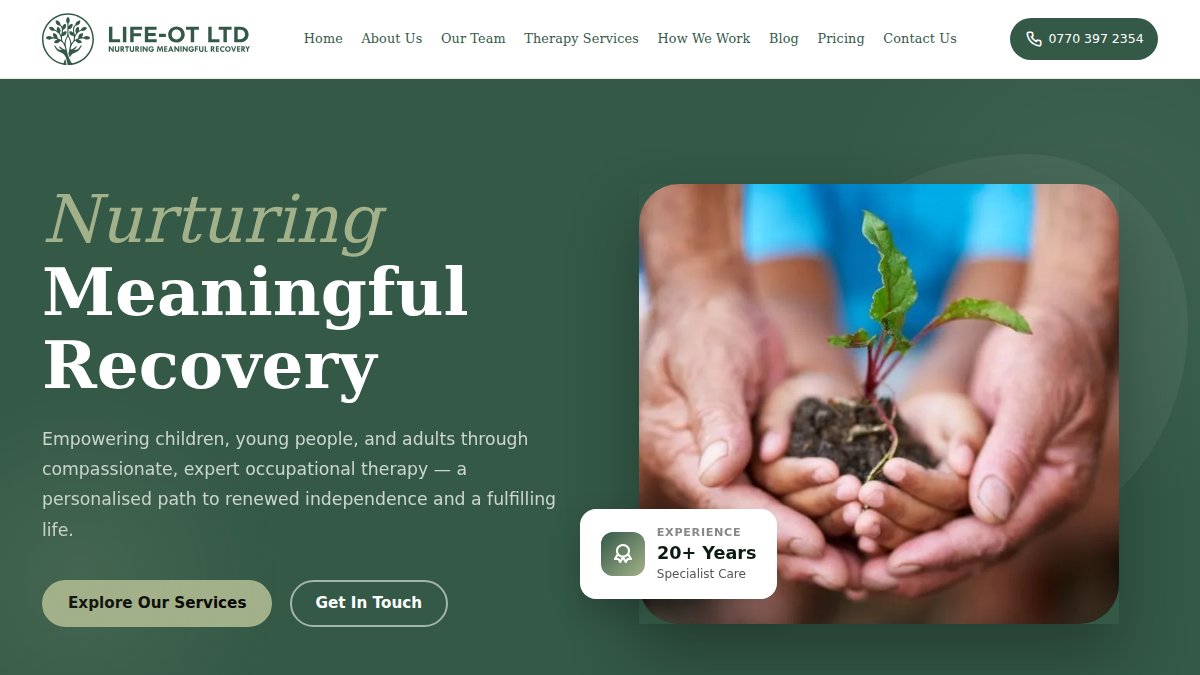
Ascot Rehab: Consultant-Led Intensive Programmes
Ascot Rehab specialises in high-intensity, consultant-led rehabilitation for adults with complex needs. If you're recovering from severe injury or require specialist medical oversight, this model offers the clinical depth that some situations demand.
The consultant-led structure means a senior clinician oversees your entire programme, coordinating multiple specialists. This is valuable when recovery is complicated or when medical complications need close monitoring. Ascot Rehab offers inpatient, outpatient, and outreach services, giving flexibility in how intensive support is delivered.
The trade-off is typically cost and intensity. Consultant-led programmes command higher fees than community-based alternatives. They're designed for people who need that level of clinical oversight, not everyone seeking rehabilitation. If your recovery is straightforward, this level of intensity may be more than necessary.
Fit2Function Clinics: Physiotherapy-Focused Recovery
Fit2Function takes a movement-centred approach to adult rehabilitation. If your primary goal is restoring physical function and mobility, physiotherapy-led care offers direct access to movement specialists without the broader multidisciplinary structure.
This model works well for people whose recovery is primarily physical. A person rebuilding strength after surgery, or someone working on balance and coordination, may find physiotherapy-focused care efficient and effective. The clinic environment provides clear structure and progression.
The limitation is scope.

BREVIN Home Care: Daily Living Support at Home
BREVIN Home Care provides practical, daily support to help adults maintain independence at home. This isn't clinical rehabilitation in the traditional sense; it's hands-on assistance with activities of daily living, cooking, personal care, mobility around the home.
Benefits of Sports Therapy in Recovery
Sports therapy brings a specific advantage to adult rehabilitation: it bridges the gap between clinical recovery and functional activity. A physiotherapist rebuilds movement capacity. A sports therapist helps you use that capacity in real, dynamic situations.
How to Choose a Rehabilitation Provider
Choosing the right provider depends on understanding what you actually need. Ask yourself: Is my primary goal physical recovery, or do I need support with daily living skills and confidence too? Do I need intensive clinical oversight, or would flexible community-based support work better? Can I manage multiple providers, or do I need coordination?
Key Questions to Ask Before Committing
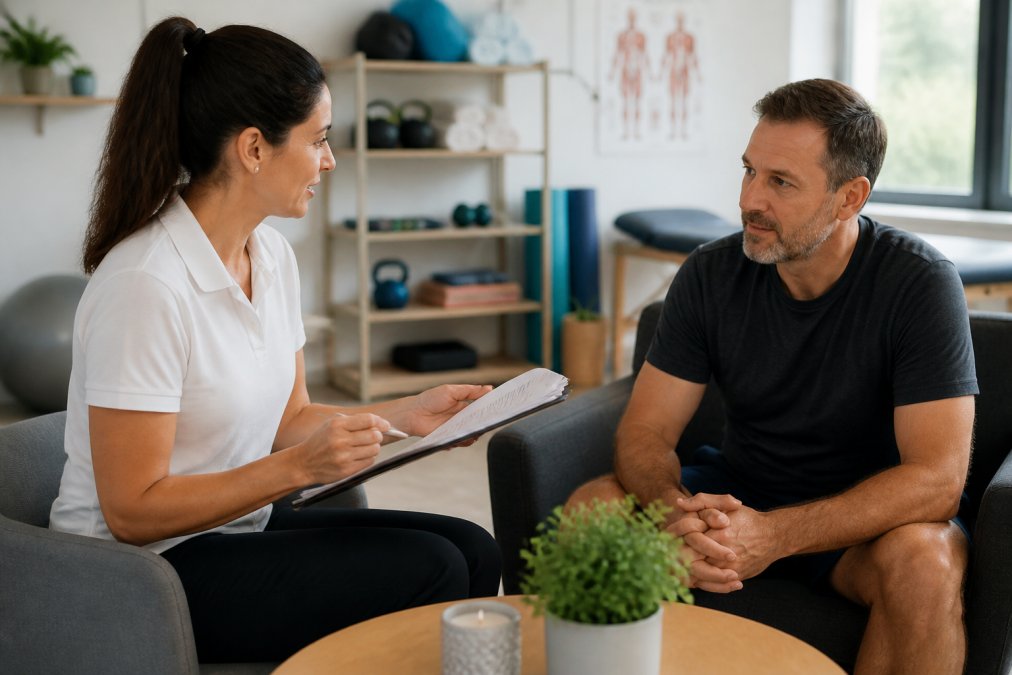
About their approach: How do you integrate different specialists? Do you work with my home environment, or only in clinic? How do you measure progress, and how often do we review the plan?
Frequently Asked Questions
What are the main alternatives to traditional occupational therapy for adult rehabilitation?
Adult rehabilitation alternatives include integrated community-based services that combine occupational therapy with sports therapy and nutrition; consultant-led intensive programmes; physiotherapy-focused functional recovery clinics; and home-based care support. Each model suits different recovery goals and circumstances. Life-OT, for example, offers multidisciplinary integration within the community. The best choice depends on your specific needs, recovery timeline, and preferred service delivery model.
How does integrated rehabilitation differ from standard occupational therapy?
Integrated rehabilitation plans for adults combine occupational therapy with complementary disciplines such as sports therapy, nutrition support, and clinical psychology to address physical, cognitive, and emotional aspects of recovery together. Standard occupational therapy typically focuses on daily living skills and environmental adaptation alone. An integrated approach recognises that recovery from stroke, brain injury, or surgery often requires coordinated input across multiple areas. For example, a person recovering from stroke may need movement retraining (sports therapy), nutritional support for healing, and practical strategies for returning to work or hobbies (occupational therapy) working in parallel rather than in isolation.
Can sports therapy and nutrition improve rehabilitation outcomes?
Yes. Sports therapy addresses movement quality, strength, and functional capacity, which are essential for restoring independence after injury or illness. Structured exercise and movement retraining help rebuild confidence and prevent secondary complications. Nutrition supports tissue healing, energy for rehabilitation, and cognitive function during recovery. When combined with occupational therapy, sports therapy and nutrition create a more complete recovery pathway. Research into multidisciplinary rehabilitation consistently shows better functional outcomes and faster return to meaningful activities compared to single-discipline approaches. Life-OT integrates these three areas specifically to maximise recovery potential.
What should I look for when choosing a rehabilitation provider?
Look for providers with relevant clinical qualifications, experience in your specific condition (stroke, brain injury, surgery recovery, or neurodevelopmental support), and a clear approach to involving you in goal-setting. Ask whether they work within your home or community environment, how they communicate progress with family members, and whether they adapt plans based on your actual progress. Check if they are regulated (for example, by the Care Quality Commission for care services) and whether they offer flexibility in session frequency or duration to match your budget and lifestyle. Request examples of how they've worked with similar clients and ask directly how they measure independence gains, not just temporary improvement.
How do I know if a rehabilitation provider will actually improve my independence?
Ask the provider to explain their approach to measuring independence before you start. Genuine rehabilitation should focus on skills you use daily at home, work, or in your community, not just performance in a clinical setting. Request feedback on progress every 4-6 weeks and ask how the plan adapts if progress slows. Providers who involve you and your family in setting realistic goals, who give practical strategies you can use between sessions, and who clearly explain why they're recommending each intervention are more likely to deliver lasting results. Avoid providers who make permanent cure promises or who don't adjust their approach based on your actual life circumstances.